


The acronym INCUP stands for Interest, Novelty,Challenge, Urgency, and Passion.
The term was first proposed by psychologist William Dodson, who suggested that these five things are the top motivating factors for someone with ADHD.
The idea behind INCUP is that people with ADHD tend to have interest-based nervous systems, which is why factors like interest, novelty, challenge, urgency, and passion are more effective at motivating them. In addition to helping people with ADHD understand their own behaviour and symptoms, the idea behind INCUP can also guide them in finding ways to incentivise the things they need to do.
Why do people with ADHD struggle with motivation?
ADHD and the motivation deficit that often comes with it, originates in the brain.
People with ADHD are wired differently, with the most significant differences involving two key neurotransmitters: dopamine and norepinephrine.
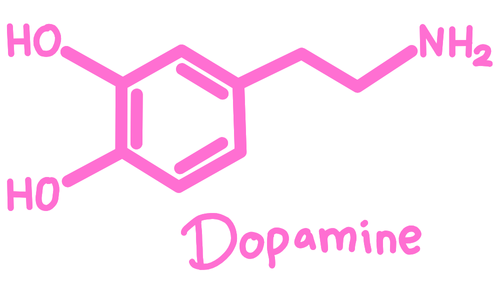
- Dopamine is the brain’s reward centre. It’s responsible for feelings of pleasure, satisfaction, and motivation.
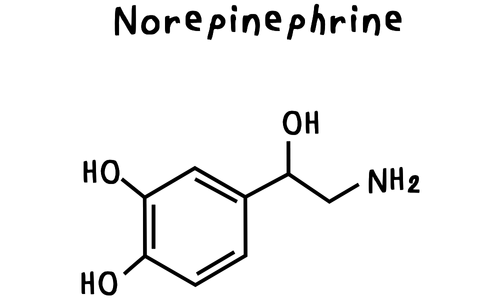
- Norepinephrine is like dopamine’s less glamorous cousin. It plays a role in arousal, attention, and motivation. (It’s also the precursor to adrenaline!)
What do these chemicals have in common?
- They both drive motivation.
- ADHD brains have lower levels of both.
Due to the deficiency in dopamine and norepinephrine, kids and adults with ADHD often face challenges with their executive functioning skills. These skills allow us to plan, organise, initiate, and complete tasks.
I – Interest
For the ADHD brain, genuine interest is perhaps the most powerful motivator. When something captures your interest, your brain releases dopamine—the neurotransmitter associated with pleasure, reward, and attention—allowing you to engage more fully.
Why it matters: People with ADHD typically have lower baseline levels of dopamine. Activities that naturally spark interest provide that crucial dopamine boost, making engagement possible and sometimes even effortless (Luman et al., 2010; Sonuga-Barke, 2005).
Practical application: Look for aspects of necessary tasks that genuinely interest you. Can you approach a work project from an angle that engages your curiosity? Can you connect routine responsibilities to larger interests or values that matter to you?
N – Novelty
The ADHD brain is particularly responsive to what’s new and different. Novel experiences and approaches can trigger dopamine release, making it easier to engage with tasks that might otherwise feel mundane.
Why it matters: The pursuit of novelty isn’t merely preference—it’s a neurobiological response that can significantly impact your ability to focus and engage (Kooij et al., 2019; Tegelbeckers et al., 2016).
Practical application: Introduce new elements to routine tasks. Work in different environments, use different tools, or approach familiar tasks from new angles. Even small changes can stimulate the novelty response.
C – Challenge
Many adults with ADHD find themselves remarkably focused when facing the right kind of challenge. When a task requires problem-solving and stretches your abilities (without overwhelming them), it can become intrinsically motivating.
Why it matters: The right level of challenge creates a state of flow and engagement that can bypass typical attention difficulties (Csikszentmihalyi, 1990; Østergaard et al., 2021).
Practical application: Break larger tasks into smaller challenges with clear completion points. Set challenges for yourself with meaningful rewards. Remember that the challenge should be sufficient to engage your problem-solving abilities without triggering avoidance.
U – Urgency
The approaching deadline, the last-minute preparation—these scenarios often trigger intense focus and productivity in ADHD minds. While this isn’t always the healthiest motivation pattern, understanding it can help harness its power more effectively.
Why it matters: The urgency response often creates what many with ADHD describe as “11th-hour clarity”—a sudden ability to focus intensely when time pressure becomes real (Rubia et al., 2009; Toplak et al., 2013).
Practical application: Create artificial urgency through timers, accountability systems, or breaking work into smaller “urgent” segments. The Pomodoro Technique (working in focused 25-minute intervals) can be particularly effective for creating manageable urgency.
P – Passion
When something deeply matters to you—when it connects to your values, identity, or vision—the motivation often follows. Passion can create sustained interest that overcomes typical ADHD barriers to engagement.
Why it matters: Passion creates meaning, and meaningful activities are more likely to sustain attention even through difficult aspects of the work (Sedgwick et al., 2019; Hupfeld et al., 2019).
Practical application: Connect tasks to your core values and larger purpose whenever possible. Look for ways your work or responsibilities contribute to what matters most to you.
What else do we need to know
Even if you understand what your brain needs to feel motivated, it can be tricky to make that happen in real life.
One way to help improve your motivation is to make sure you are managing your ADHD effectively. This can help to keep your symptoms under control so things like inattention, impulsivity, and hyperactivity don’t pull you away from the things you want or need to do.
For example, ADHD medications increase the levels of dopamine in the brain. This helps to increase attention span, manage executive dysfunction, reduce hyperactivity, and control impulsive behaviors — all of which can help you stay motivated when needed.
Understanding these motivation factors is only the beginning. The next step is intentionally designing your life and work to incorporate them:
- Environmental design: Create spaces and routines that naturally incorporate novelty and interest whilst minimising distractions that don’t serve you.
- Task restructuring: Break larger responsibilities into smaller, more challenge-oriented components with clear completion points.
- Motivation mapping: Identify which INCUP factors work best for different types of tasks. Some may respond better to urgency, whilst others might need a passion connection.
- Self-compassion practice: Recognise that your motivational patterns are different, not deficient. Working with your neurobiology rather than against it is both more effective and kinder to yourself.