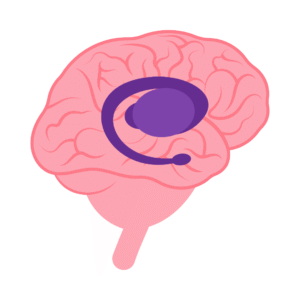

The brain of someone with ADHD processes emotions differently than those without the condition. Key areas of the brain involved in emotional regulation, such as the prefrontal cortex (responsible for impulse control and decision-making) and the amygdala (involved in processing emotions like fear and aggression), can have different levels of activity in individuals with ADHD.
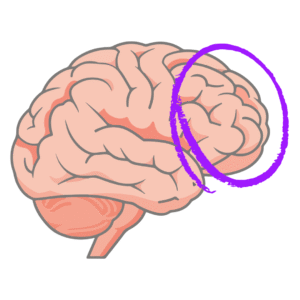
Prefrontal Cortex Dysfunction: People with ADHD often have difficulties with executive functioning skills, such as planning, organising, and regulating emotions. The prefrontal cortex plays a major role in impulse control and managing emotions, and it tends to be less active or more easily overwhelmed in people with ADHD. This means that emotions can quickly spiral into extreme reactions, especially in stressful situations.
Overactive Amygdala: The amygdala, which is responsible for processing strong emotions, such as fear or anger, may be overly responsive in ADHD. This can cause individuals to feel emotions more intensely than others and react more strongly to situations.