 By admin
Absinthe, is a distilled, anise-flavored spirit. Traditionally, the spirit is green from the inclusion of green anise, and this is where the nickname, “la fée verte” or “The Green Fairy” comes from. But the actual name of the spirit comes from the plant “Artemisia absinthium” (commonly referred to as “wormwood” or “grand(e) wormwood”) from which absinthe derives much of its flavor. Wormwood contains thujone, which is where the notion that it is a hallucinogen comes from in the first place.
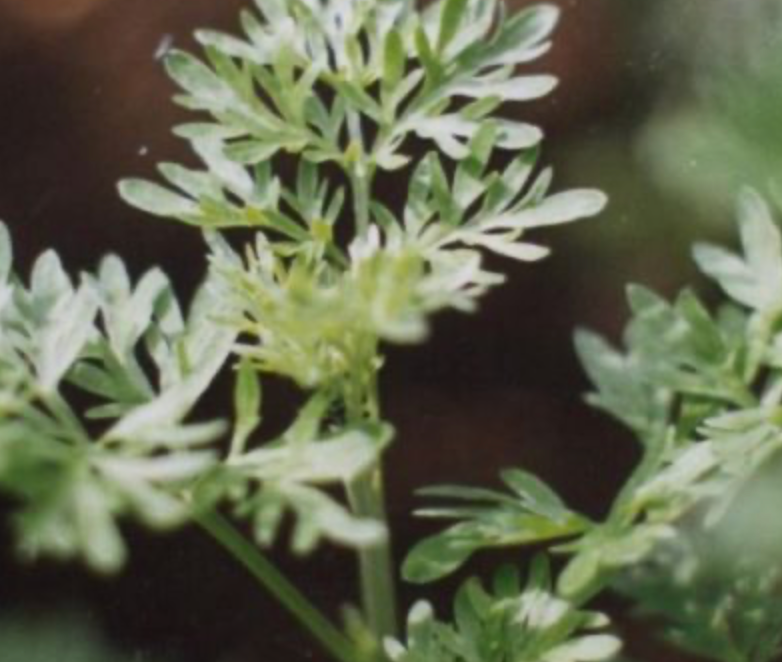
Thujone is a component of wormwood that in very high doses can be toxic. Although absinthe does contain thujone, only trace amounts are present – not nearly enough to cause hallucinations. Its formula has never had enough thujone to act as a hallucinogen. In fact, many top absinthe brands have returned to their original formula from the early 1800s once it was disproved that it was hallucinogenic. With its minor inclusion in absinthe, a person would die from alcohol poisoning long before they would be affected by thujone.
Was Absinthe Banned?
Absinthe was banned for nearly a century in many countries around the world. It is the only spirit ever singled out in a prohibition of this kind. It was never made illegal in the UK
First distilled in the late-1700’s as a tonic in Switzerland, absinthe became a wildly popular spirit by the mid-1800’s because it was a much stronger alternative to wine. As more producers entered the market, the spirit became one that was affordable for people of all classes. Ernest Hemmingway, Pablo Picasso, Oscar Wilde, James Joyce, van Gogh, and many other famous artists were all known absinthe drinkers, and they were partially responsible for its rise in subculture popularity.
In conclusion Absinthe is not a psychedelic.