
ADHD affects emotional regulation by influencing the brain’s ability to control impulses, process emotions, and manage reactions to stress. The combination of an overactive emotional response system (e.g., the amygdala) and a less effective regulatory system (e.g., the prefrontal cortex) can lead to emotional dysregulation.
This means people with ADHD may experience intense emotions, struggle with impulse control, be highly sensitive to external stimuli, and have difficulty managing frustration or delayed gratification.
Understanding these neurological and emotional dynamics is key to developing strategies to cope with emotional dysregulation in ADHD.
With the right tools and support, individuals with ADHD can improve their emotional responses and navigate life with more balance.
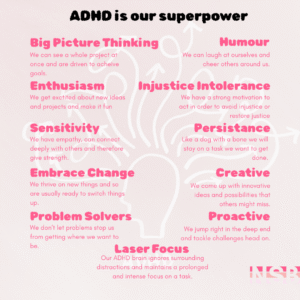
Want to see how to make ADHD your SUPERPOWER? See more about my online course