
Course Content
Overview of Emotional Dysregulation: Understanding How ADHD Affects Emotional Responses
Emotional dysregulation refers to difficulties in managing and responding to emotional experiences in a way that is considered typical or appropriate for the situation. For individuals with ADHD (Attention Deficit Hyperactivity Disorder), emotional dysregulation is a common and often challenging symptom. It can manifest in intense emotional reactions, difficulty calming down once upset, or an inability to manage feelings of frustration, anger, or excitement.Let’s break this down into key aspects of how ADHD affects emotional responses:
0/8
Emotional Dysregulation: Understanding How ADHD Affects Emotional Responses

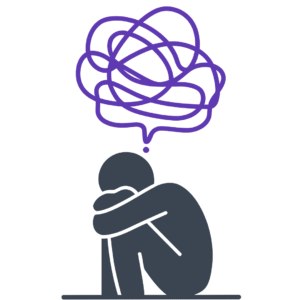
Another characteristic of emotional dysregulation in ADHD is experiencing intense emotions that can change quickly. One moment, a person may feel euphoric or excited, and the next moment, they may feel overwhelmed or angry. This can lead to unpredictable mood swings.

  • Rapid Emotional Shifts: Emotions may shift from joy to anger to sadness in a short period, often with little external cause. This can confuse those around them and lead to difficulties in relationships.

  • Sensitivity to External Feedback: Because emotional responses can be so intense, feedback from others (positive or negative) can significantly impact their emotional state.
Get the best blog stories into your inbox!